
Breaking Down Intangible Drilling Costs for Smarter Investment Decisions
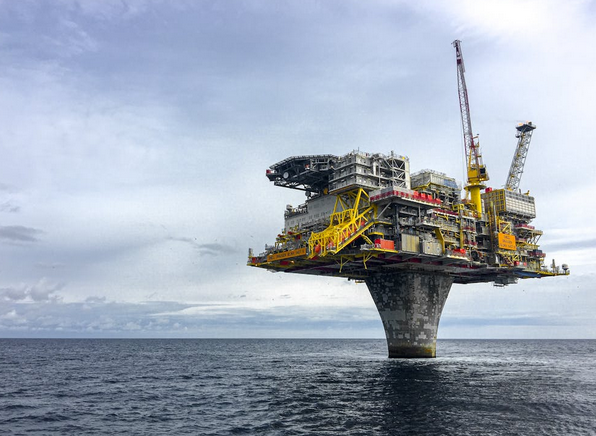
Oil and gas investing isn’t just about wells and barrels, but it’s about strategy, timing, and knowing where the money flows. For many investors, intangible drilling costs and benefits are a crucial but often overlooked piece of the puzzle. These expenses can shape the profitability of a project and influence tax outcomes in a big way. Understanding them is like holding a cheat sheet for part of the oil business’s financial playbook.
Structuring Intangible Drilling Costs
In simple terms, these are expenses related to drilling a well that can’t be physically recovered once spent. Think labor, site preparation, engineering work, and certain supplies. They’re not flashy assets you can resell, but they’re essential for getting oil or gas out of the ground. The biggest appeal? These costs are typically deductible in the year they’re incurred. That means investors can potentially reduce their taxable income sooner rather than later. It’s a cash flow boost that can feel like finding an extra gear in your investment engine.
Attracting Oil and Gas Investors With Clear Arrangements

While every investment has risks, oil and gas projects carry a mix of operational and market uncertainties. Intangible drilling costs help offset some of that by providing immediate tax relief. For high-income investors, that can make a notable difference come tax season. However, there’s a flip side. The deductions only apply if you have taxable income to offset. If you’re in a low-income year, the timing might not give you the same financial punch. That’s why these …













 One of the most popular loans online is the Liberty Loan. This loan offers a low fixed interest rate and allows borrowers to borrow up to $50,000 with no down payment. The repayment terms are flexible and can range from five to fifteen years depending on the amount borrowed. The main benefit of this loan is that it provides borrowers with access to funds quickly and easily, without the need for a credit check.


 One of the biggest mistakes business owners can make when seeking financing is not doing enough research ahead of time. You must understand the different types of funding available and the terms and conditions associated with each one. Otherwise, you could end up paying more than you need or signing away equity in your company.
 Another common mistake is not having a well-developed business plan. This document should outline your company’s goals, revenue streams, and expenses. Potential investors will use it to determine whether or not they want to provide funding. If you do not have a strong business plan, it is unlikely that you will be able to secure the financing you need.
 It is also important to avoid asking for more money than you need. This can be a red flag for investors, who may wonder why you are not being more frugal with your finances. It is better to ask for less money than you need and then requests more …
 A single overlooked accounting figure or guideline can mean the difference between a balanced budget and a long night of cause-finding. A company can be at financial risk if it misses numbers or a decimal point. Accountants must pay attention to detail and work meticulously. Accountants must be able to control their work until it becomes second nature to them.
 Accepting the results and the resulting problems is a good quality for an accountant. Accountants must admit that they have …


 to ask security in case you default …

